
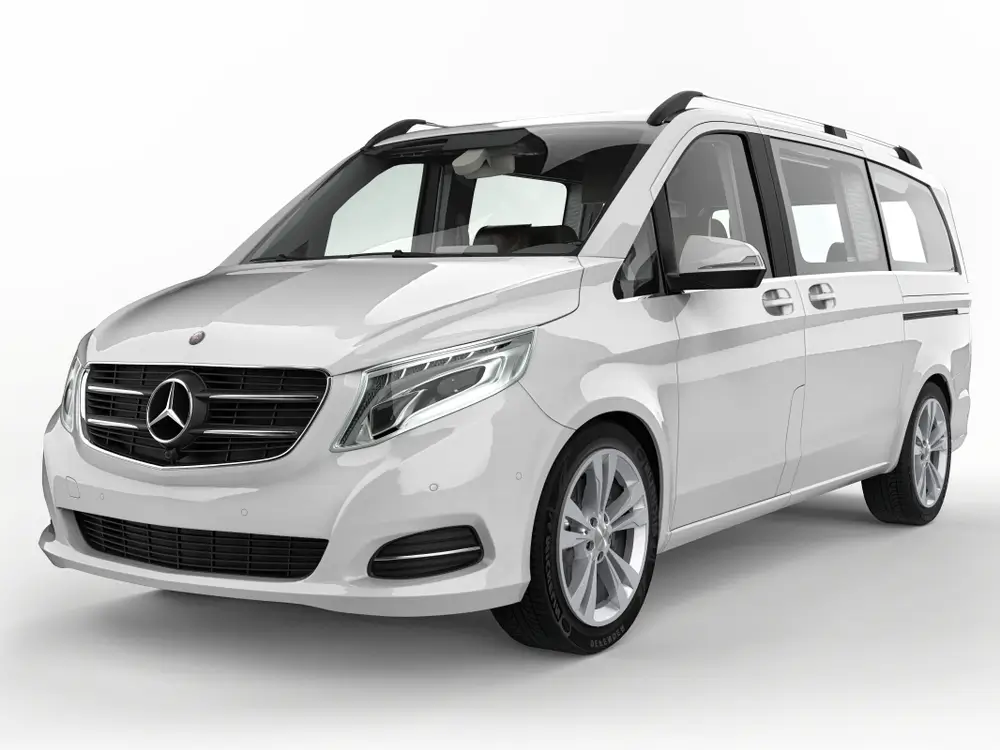
If your work often involves airport runs, family groups, school contracts, or nights out, a standard saloon simply isn’t enough. You need space for people and luggage, easy access, and sensible running costs. That’s where 7–8 seater taxi cabs shine.
This guide explains what to look for in a 7-seater taxi, compares key vehicle types, and highlights popular models UK drivers trust for taxi and private‑hire work.
Why 7–8 seaters are so useful for taxi work
For many drivers, the best car for taxi work in the UK is one that can switch roles in a day: school runs at 8 am, airport transfers at 11 am, evening group bookings later on. A well‑chosen 7–8 seater can:
- Carry a large family plus bags in one trip instead of two cars.
- Handle folding wheelchairs, pushchairs, and sports kits effortlessly.
- Offer flexible seating layouts (5, 6, 7 or 8 seats) as bookings change.
- Justify a higher fare per job while keeping fuel per passenger reasonable.
Whether you run in London, regional towns, or mixed rural areas, a good 7–8-seater is often the best car for a taxi business if you regularly move groups.
Also Read: Best Electric Cars for Taxi Use in the UK
Body styles: MPV vs SUV vs van‑based cabs
Before choosing specific taxi car models, it helps to understand the main shapes available.
| Type | Typical seating | Strengths | Considerations |
| MPV / people carrier | 7 seats | Low floor, big doors, flexible seats, family‑ready | Slightly higher purchase than a saloon |
| SUV / crossover (7 seater) | 7 seats | Higher driving position, strong image, good comfort | Third row can be tight; boot shrinks in 7‑seat mode |
| Van‑based 7–8 seater | 7–8 seats | Huge cabin, sliding doors, excellent luggage space | Feels larger to drive; higher roof and windage |
Key features of a good 7–8 seater taxi
When deciding which car is best for a taxi in UK cities and towns, focus on these six areas:
- Access and seating
Wide doors, sliding side doors, grab handles, and a reasonable step‑in height make life much easier for older passengers and children. The third row should be usable by adults, not just for show. - Luggage space with all seats in use
Many 7‑seater SUVs lose most of their boot when row three is up. For airport work, you need room for at least a couple of large cases plus hand luggage, even in full 7‑seat mode. - Fuel efficiency and drivetrain
The best fuel-efficient cars for taxis are usually modern diesels or efficient petrol/hybrids in larger vehicles. Look at real‑world mpg rather than brochure numbers. - Running costs and reliability
Parts prices, service intervals, and reputation matter. Models commonly used as cars, taxis, or Ford taxis/Skoda taxis/Toyota taxis tend to be reliable. - Comfort and safety
Comfortable seats, good visibility, climate control for rear passengers, and features like AEB and parking sensors reduce fatigue on long shifts. - Licensing and local rules
Councils and licensing bodies sometimes specify age, emissions, and size requirements for UK taxi car fleets. Always check before you buy.
Popular 7–8 seater choices for UK taxi and private hire
Below are broad model types often considered among the best cars for UK taxi drivers who need 7–8 seats. (Always confirm current specifications and licensing conditions in your area.)
MPV‑style 7-seaters
These are often the sweet spot between car‑like driving and genuine people‑moving ability.
- Kia Sorento‑type 7-seaters – Used widely as Kia Sorento taxi options. Strong safety kit, comfortable ride, and a usable third row. Best if you do a mix of urban and motorway work.
- Peugeot 5008‑style SUVs/MPVs – flexible layout with three individual middle‑row seats and a decent third row. A popular template for the best 7-seater car for taxis in the UK, where image and space both matter.
- Volkswagen Sharan / Ford Galaxy / SEAT Alhambra‑type designs – Classic people carriers with sliding doors and very generous headroom. Excellent for school and community contracts, though many are now bought on the used market.
Van‑based 7–8 seater cabs
If you need true 7–8-seat flexibility and serious luggage capacity, van‑based 7-seat cabs and 8‑seat shuttles are often the best taxi cars for the job.
- Toyota Proace Verso‑style MPVs – Van‑derived, with huge cabins and multiple seating rows. Ideal when you’re essentially running a mini‑shuttle service. A strong choice for Toyota for taxi users who value durability.
- Volkswagen Shuttle / similar people carrier vans – Smooth to drive with car‑like cabins, especially in higher trims. Good for executive group transfers and cruise‑port work.
- Mercedes V‑Class / Vito Tourer‑type layouts – Premium options that fit the Mercedes taxi cab or Benz taxi image. They comfortably handle 7–8 adults plus luggage for high‑end private‑hire bookings.
7‑seat SUVs and crossovers
Not every driver needs van‑like dimensions. Some want a vehicle that doubles as family transport.
- Nissan Qashqai‑class and larger 7‑seat crossovers – Higher driving position and good comfort. These may suit drivers who rarely use all seven seats but want the option.
- Kia and Hyundai 7‑seat crossovers – Models in this space are often seen as good taxi cars thanks to long warranties and comfortable cabins.
In these cars, check how much boot space remains with all seats in place; that can be the deciding factor for airport‑heavy work.
Example comparison: three 7–8 seater taxi profiles
| Use case | Best‑fit body style | Key priorities | Typical choices (conceptual) |
| School contracts and local groups | MPV or van‑based 7–8 seater | Easy access, wipe‑clean interior, safety | Sharan/Galaxy‑type; Proace Verso‑style MPV |
| Airport and cruise transfers | Van‑based 7–8 seater | Massive boot, comfort, motorway stability | VW Shuttle‑type; Mercedes V‑Class‑type |
| Mixed private‑hire and family use | 7‑seat SUV/MPV | Comfort, image, occasional 7‑seat use | Kia Sorento‑class; Peugeot 5008‑style vehicles |
This table is a guide only, but it shows how different 7–8 seater shapes suit different kinds of work.
Also Read: Best Reliable Cars for Taxi Drivers in the UK
Practical tips when choosing a 7–8 seater taxi
- Test entry and exit, not just driving position. Bring a friend or family member who represents your typical passenger, older, taller, or with limited mobility, and test real‑world access to all rows.
- Measure the boot with seven seats up. Try loading two big cases and a couple of cabin bags. If they don’t fit easily, consider a different body style.
- Check real‑world fuel use. Speak to other drivers, read forums, and look at independent tests rather than relying purely on official figures.
- Think about the turning circle and parking. Some 7–8 seaters are long and tall. If you work in tight city streets, a slightly smaller MPV might be more efficient than the largest van‑based option.
- Compare finance and insurance as a package. A slightly more expensive vehicle that is cheaper to insure and fuel can still be the best car for cab work overall.
About Camberley Car
Camberley Car operates a mixed fleet across the UK, including saloon, estate, and 7-seater taxi vehicles for groups, families, and airport transfers. The principles in this guide, space, comfort, safety, and total cost of ownership, reflect the criteria we use when assessing the best cars for everyday taxi service.
FAQs:
1. What is the best 7-seater car for a taxi in the UK?
There is no single model that suits every driver. For school runs and local groups, traditional MPVs with sliding doors work extremely well. For airport‑heavy work, van‑based shuttles with huge boots are often the best option. For mixed private‑hire and personal use, a comfortable 7‑seat SUV or MPV can be ideal. The right choice depends on how often you genuinely need seven seats and how much luggage space you require.
2. Are 7–8 seater taxis more profitable than saloon taxis?
They can be, if you consistently book them with enough passengers. A 7–8 seater allows you to carry more people per trip, which can justify a higher overall fare while keeping costs per passenger reasonable. However, they are more expensive to buy and may use slightly more fuel, so you need to use them regularly for group work, airport transfers, events, and school contracts to make the most of them.
3. Is an automatic gearbox better for 7–8 seater taxi work?
For many drivers, yes. Automatics remove a lot of stress in stop‑start traffic and when manoeuvring larger vehicles in tight spaces. Modern automatics are efficient and well‑matched to diesel and hybrid engines. If you spend a lot of time in urban areas or on long shifts, an automatic 7–8 seater is often the best car for taxi use in UK conditions.
4. Should I buy new or used for a 7–8 seater cab?
New vehicles come with full warranty cover and the latest safety tech, but they cost more and depreciate faster. Used 7–8 seaters can be an excellent value, particularly ex‑fleet models with full service history. If you buy used, focus on maintenance records, past duty cycle (city vs motorway), and any signs of hard use inside the cabin. Whichever route you choose, calculate the total cost of ownership over at least three to five years.
5. Can a 7–8 seater work as my only taxi car?
Yes, many drivers successfully use a well‑chosen 7–8 seater as their main UK taxi car. The key is to pick a model that is not so big that it becomes awkward for everyday town work, yet still spacious enough for group and luggage‑heavy jobs. If your bookings are a mix of solo passengers, small groups and families, a thoughtfully chosen 7‑seater may actually be more flexible than running a small saloon alone.
Conclusion
Top‑quality 7–8 seater vehicles are some of the most versatile taxi cab cars on UK roads. From MPVs handling school contracts to van‑based shuttles moving whole families and their luggage, the right vehicle can transform your earning potential and passenger experience.
Focus on access, luggage space with all seats in use, fuel efficiency, and total cost of ownership, not just badge or brochure images. With those factors balanced, you can choose the best car for taxi drivers in the 7–8 seat class and build a private‑hire business that works for both your passengers and your bottom line.
.
Google Map Link: https://maps.app.goo.gl/LRWyd7JC3RNoTeYW9
Facebook Link: https://www.facebook.com/people/Camberley-Cars/100063738542899/
Instagram Link: https://www.instagram.com/camberleycars/